Plastics industry must transition to sustainable alternatives or risk health of millions, Planet Tracker warns
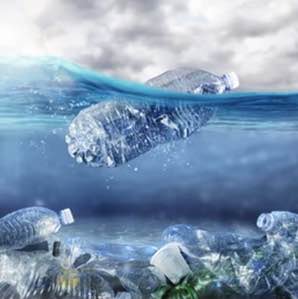
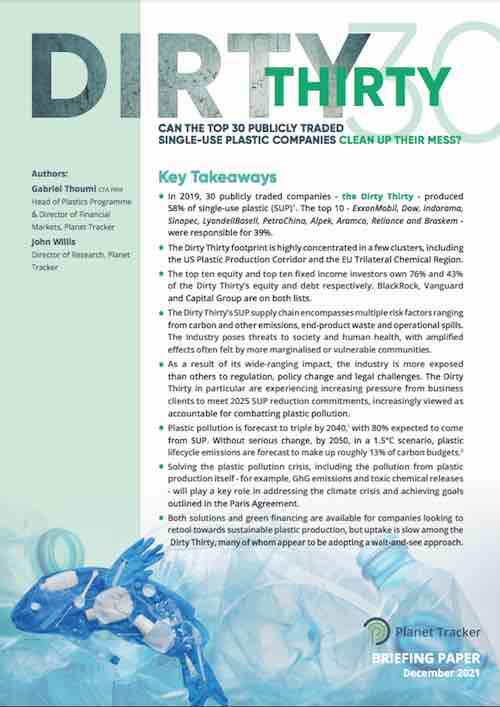
LONDON, 16 December 2021: Single-use plastics (SUP) present one of the greatest threats currently facing the earth. Over half (58%) of the world’s SUP is produced by 30 publicly listed companies – and unless they adopt sustainable alternatives, they are putting the health of millions at risk, Planet Tracker’s latest report reveals.
The plastics problem is accelerating fast, with plastic pollution forecast to triple by 2040, with 80% expected to come from SUP. Without serious change, by 2050, in a 1.5°C scenario, plastic lifecycle emissions are forecast to make up roughly 13% of carbon budgets.
According to the report, 30 companies – the ‘Dirty Thirty’ – are the gatekeepers of the SUP production supply chain and, as such, hold ultimate responsibility for reducing the prevalence and threat of SUP. The group comprises well-known organisations, including ExxonMobil, Dow, LyondellBassell, PetroChina, Repsol, LG Chem and Chevron. The investors behind these companies are even more concentrated: the top ten fixed income investors, including BlackRock, Vanguard, and Capital Group, own 76% of the Dirty Thirty’s equity, valued at USD 7.8 billion.
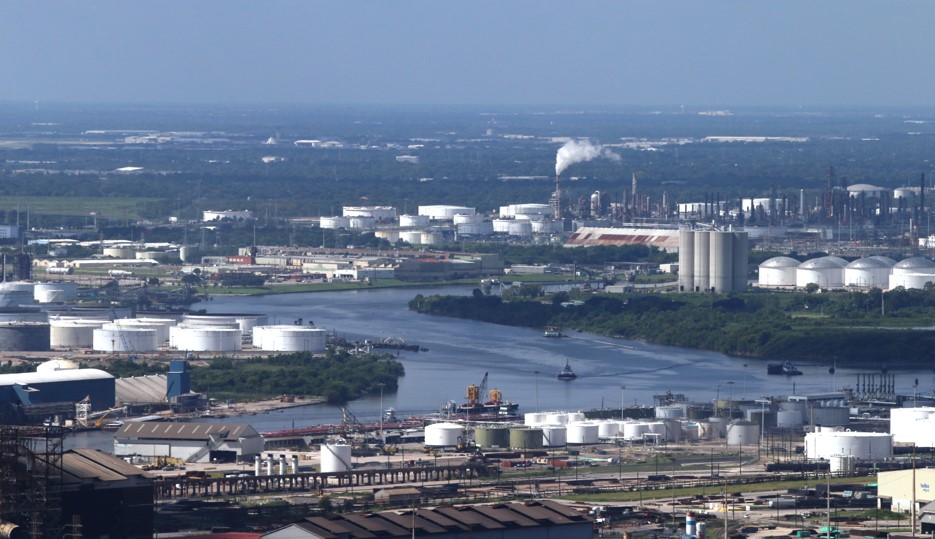
The environmental challenges caused by plastic pollution are compounded by the serious health risks, which are disproportionately impacting four key regional clusters around the globe: the US Plastic Production Corridor on the Louisiana Gulf Coast; the EU Trilateral Chemical Region covering Belgium, The Netherlands and Northwest Germany; the Eastern Province in the Kingdom of Saudi Arabia; and Jiangsu Province, China.
While green financing and other solutions are already available to companies looking to retool towards sustainable plastic production, uptake remains painstakingly slow among the Dirty Thirty, many of whom appear to be adopting a wait-and-see approach.
With stakeholders increasingly demanding sustainable plastics that do not pollute the planet, cause harm to health, and pose a risk to financial markets – the Dirty Thirty must act now, or risk significant environmental-related financial and health risks.
The report calls on the Dirty Thirty to:
- Describe how they will meet and exceed their buyer’s supply chain commitments to align products with SUP needs.
- Design future business around zero-plastic waste and the circular economy by focusing on engineering SUP pollution solutions that cause no harm the environment, the planet or to human health.
- Publish a roadmap to zero-plastic waste and pollution. Solutions do exist and they require leadership with capital to scale and expand rapidly so as to address the planetary plastic crisis. Much like wind and solar a decade ago, the companies that fully embrace eliminating SUP waste and pollution are likely to outperform competitors in both the near- and long-term.
- Publish plans to clean up plastic production facilities to eliminate toxic chemicals.
- Commit to carbon neutrality.
- Never compromise on chemical safety for humans and the environment, and compliance with existing regulations is a must.
All investors should:
- Engage the Dirty Thirty to immediately reduce their SUP and climate risk to mitigate continuing valuation decline.
- Require the companies invested in to publish time-bound, stepwise plans to decrease their absolute SUP production.
- Lead by example to decrease environmental impacts from SUP waste production, use and material management.
Equity investors specifically should:
- Engage with stakeholders to develop and publish zero plastic pollution policies, clearly describing expectations to decrease absolute tonnes of SUP and related wastes throughout the supply chain for the executives of portfolio companies.
Policymakers and regulators should:
- Integrate plastic risks into every relevant climate policy action. We cannot solve climate change without solving the plastic crisis so every policy made must seek to integrate solutions for both the climate and the plastic crises where possible. Require reporting, such as under TCFD, to include absolute decrease in SUP waste and pollution.
–ENDS–
ABOUT PLANET TRACKER
Planet Tracker is an award-winning non-profit financial think tank aligning capital markets with planetary boundaries. Created with the vision of a financial system that is fully aligned with a net zero, resilient, nature positive and just economy well before 2050, Planet Tracker generates breakthrough analytics that reveal both the role of capital markets in the degradation of our ecosystem and show the opportunities of transitioning to a zero-carbon, nature positive economy.
ABOUT PLASTICS TRACKER
The goal of our Plastics Programme is to stem the flow of environmentally damaging plastics and related products that are creating global waste and health issues by transparently mapping capital flows and influence in the sector starting from resins production through to product use. By developing transparent financial modelling and forecasting tools, promoting circular economy principles and end of life solutions and identifying financial and profitability risks of continuing business as usual practices in the midstream and upstream of the supply chain, Plastics Tracker seeks to constrain production of environmentally damaging plastics which are feeding the plastics waste problem while supporting development of sustainable solutions.
Media contact
Ellie Hyman
Aspectus Group
+44 (0) 7890 072 773