Energy and food systems must work together to achieve 1.5°C by stopping deforestation and halving methane emissions
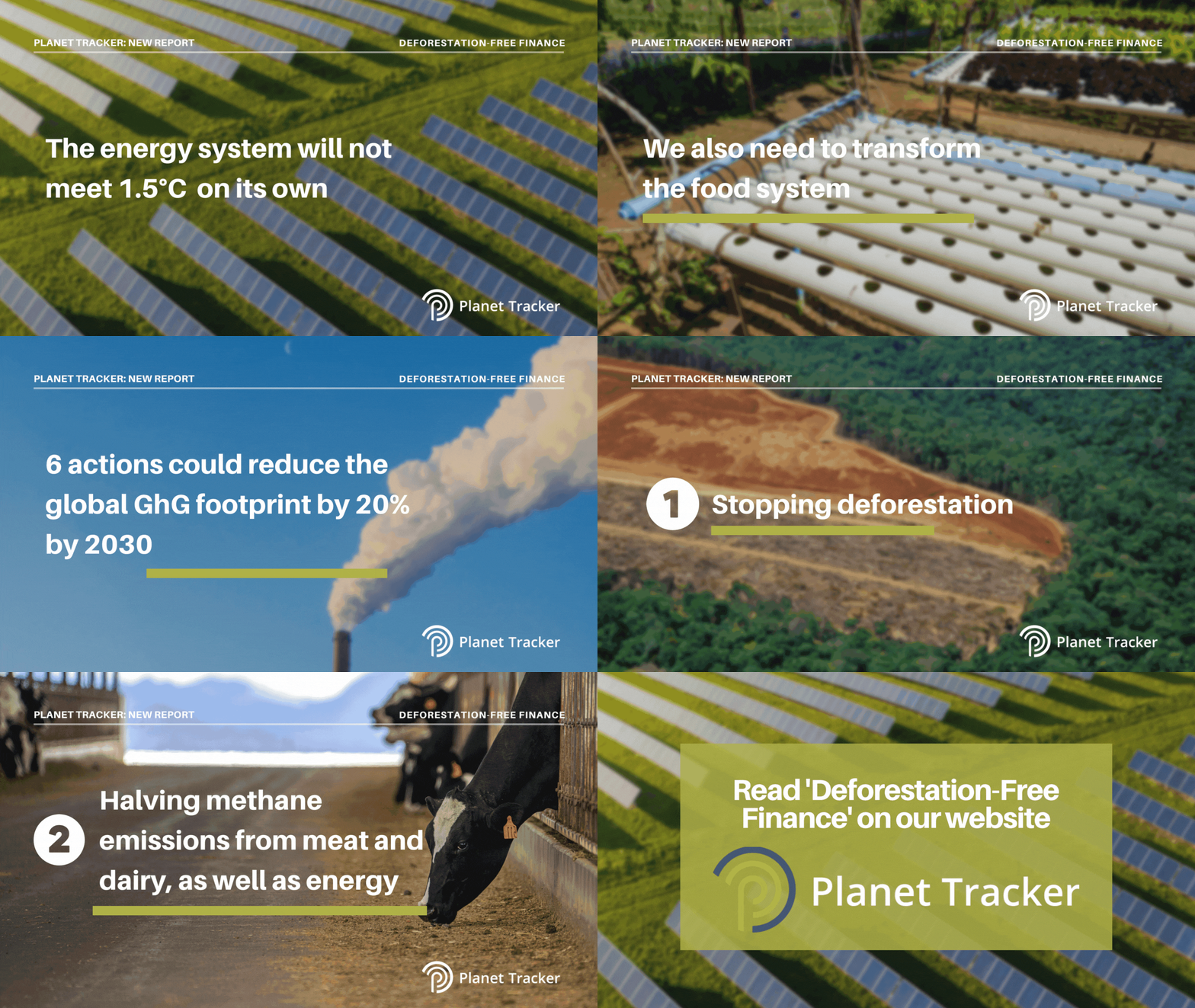
There are two actions humanity must take to have any hope of limiting climate heating to 1.5°C: stop deforestation and halve methane emissions – and transforming the food system is essential to achieving both. Without this, transforming the energy system will not be sufficient.
Deforestation1 generates an estimated 5.7 Gt CO2e per annum and is a significant driver behind biodiversity loss, human rights abuses and the increased risk of zoonotic diseases.
Methane has a heating effect (‘Global Warming Potential’) that is 80 times greater than CO2 over a 20-year period and the food system (particularly meat production) is responsible for more of the methane produced than the energy system (48% of non-GhG emissions in 2015 came from agriculture, 29% came from the energy sector). Not only that, but it is also a significant cause of air pollution since it is a precursor of toxic ground-level ozone.
Stopping deforestation and cutting methane emissions by 45% is essential if we are to meet our interlinked climate, nature and development goals and significantly reduce the food system’s GhG footprint.
That is why we included these two actions in the six priority actions that we recommend financial institutions achieve by or before 2030. Please see ‘Financial Markets Roadmap for Transforming the Global Food System’.
IEA report – 2 out of 4
The International Energy Agency (IEA) states that stopping deforestation and cutting methane by 45% by 2030 are both essential if humanity is to ‘preserve a reasonable chance of limiting global temperature rise to 1.5°C’ and to avoid higher peak temperature increases before 2100.
These actions form two of the four pillars (required actions) set out in the IEA’s latest report (Credible pathways to 1.5°C: Four pillars for action in the 2020s). The IEA’s NZE scenario (Net Zero Emissions by 2050) requires agriculture, forestry and other land use (AFOLU) to reduce its GhG emissions by 30-63% by 2030 and contribute to removing an average of around 2.6 Gt CO2 per annum between 2050 and 2100 by planting more trees between now and 2050.
Stopping deforestation and significantly reducing methane emissions are essential to achieving the IEA’s NZE scenario and this cannot happen unless our current food system is transformed.
Food System Roadmap
Planet Tracker’s Financial Markets Roadmap for Transforming the Global Food System sets out a four-theme framework for financial institutions to use when creating their own strategy for engaging with the required transformation of the food system.
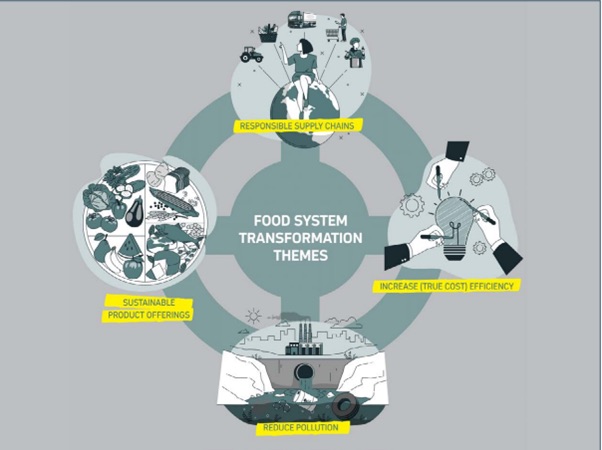
Figure 1: Four financial markets themes for food system transformation. Source: Planet Tracker
For financial institutions that want to be able to take immediate action while building their broader food systems engagement strategy we have identified six Priority Actions they should achieve by or before 2030.
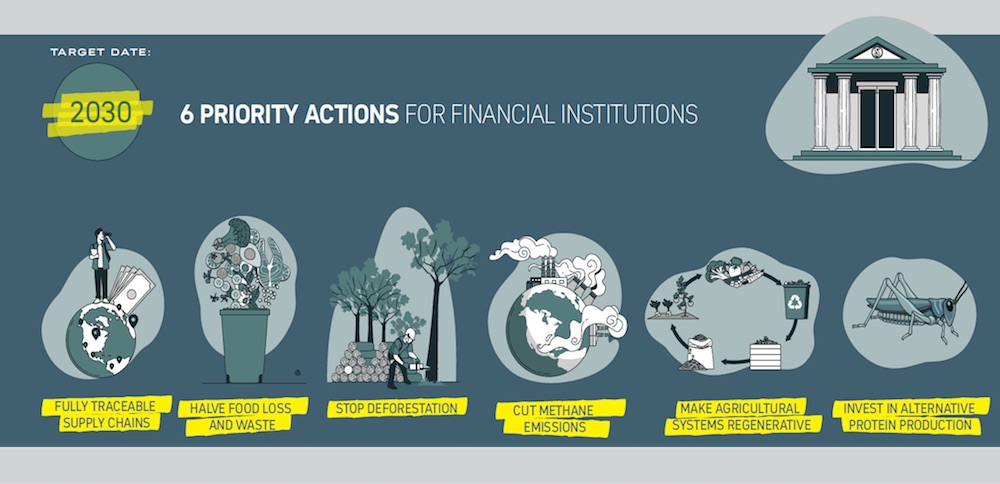
Figure 2: Six priority actions for financial institutions. Source: Planet Tracker
Knock-on effects
Financial institutions will not be able to achieve their plans for net zero investment and lending portfolios unless methane emissions are significantly reduced and deforestation is stopped, and simply eliminating methane and/or deforestation risk companies from their portfolios will not remove the systemic risk.
As an example, Destroying Brazil’s Aircon shows how deforestation significantly increases the systemic threats to investments across the economy of the country concerned (and its neighbours) in addition to increasing the risks for financial institutions funding companies that depend upon the country concerned for goods or services and for sovereign investors holding that country’s bonds.
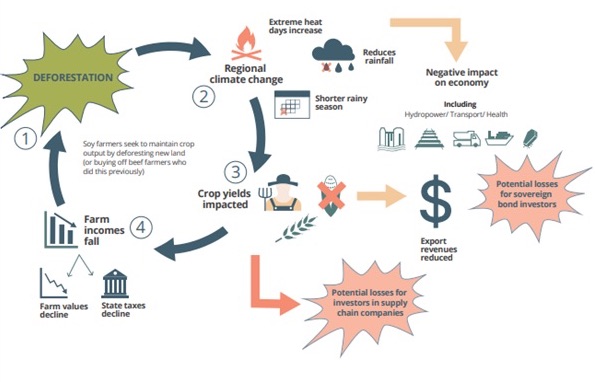
Figure 3: The deforestation/regional climate change feedback loop. Source: Planet Tracker
FIs are lagging behind
Unfortunately, many financial institutions have been ignoring the problems of deforestation and methane emissions for far too long. 61% of financial institutions covered by Global Canopy’s latest Forest 500 survey do not have any policies to tackle deforestation in their lending or investment portfolios. They are flying completely blind in the face of a systemic risk that 39% of their peers have recognized needs addressing urgently. What is worse is that the financial support for deforestation provided by the 61% is increasing the risks for other investors and lenders, including their own shareholders (as well as obviously financing the continued destruction of nature and contributing significantly to humanity’s climate challenge).
Methane is even worse. We reviewed the methane-related policies of 20 banks and 20 investors in our Hot Money report and found that none of them had policies for tackling agri-methane and only nine of the 40 had a policy covering methane from the energy sector, so urgent action is required here too.
Priority actions
It is not too late to take action, and in the context of deforestation there is no excuse – Global Canopy has just published its latest guidance for financial institutions2 providing practical advice with respect to tackling deforestation.
The guidance is designed to help financial institutions:
- be aware of physical and transition risks posed by deforestation and their essential role in preventing and mitigating these risks
- be aware of incoming deforestation regulations and their potential implications for financial institutions
- identify and assess risk of exposure to deforestation, conversion and associated human rights abuses in their portfolios
- prevent and mitigate risks; monitor and remediate adverse impacts
- track, report and disclose for accountability.
It provides a clear timetable for action designed to enable financial institutions to address the challenge as early as 2025.
In Hot Money we set out the key actions that financial institutions should take immediately:
- Require the companies they fund to have clear policies and procedures to cut methane emissions, particularly those arising from agriculture (including Scope 3). Banks should include this requirement within their lending agreements.
- Demand that energy, meat and dairy companies publish quantified, independently verified, full methane emission disclosure (scope 1, 2, 3) by product line and geography, on a timely basis.
- Require funded meat and dairy companies to publish production data, by product line and geography, in their annual reports.
- Set an investment policy linked to quantitative, time-framed and science-based methane reduction targets. These need to extend to agriculture and in particular livestock and should be integrated into their net zero strategy.
- Report annually on their progress with respect to limiting methane emissions, including those from agriculture.
Stopping deforestation and halving methane emissions by 2030 are essential actions if we are to have any hope of meeting our interlinked climate, nature and development goals. This cannot happen unless the global food system is transformed and since we estimate that financial institutions currently provide funding worth USD 8.6 trillion to the global food system, they have a crucial role to play. With only seven years left to achieve these targets, action must be taken now.
1 ‘Deforestation’ is used here to indicate all forms of destructive land use change including the conversion of peatland and mangroves, as well as the deforestation of tropical and non-tropical forests.
2 Developed in partnership between Global Canopy, Neural Alpha and the Stockholm Environment Institute (SEI).