Retailers could improve health of ocean and their bottom line through increased seafood sustainability and supply chain disclosure, finds Planet Tracker
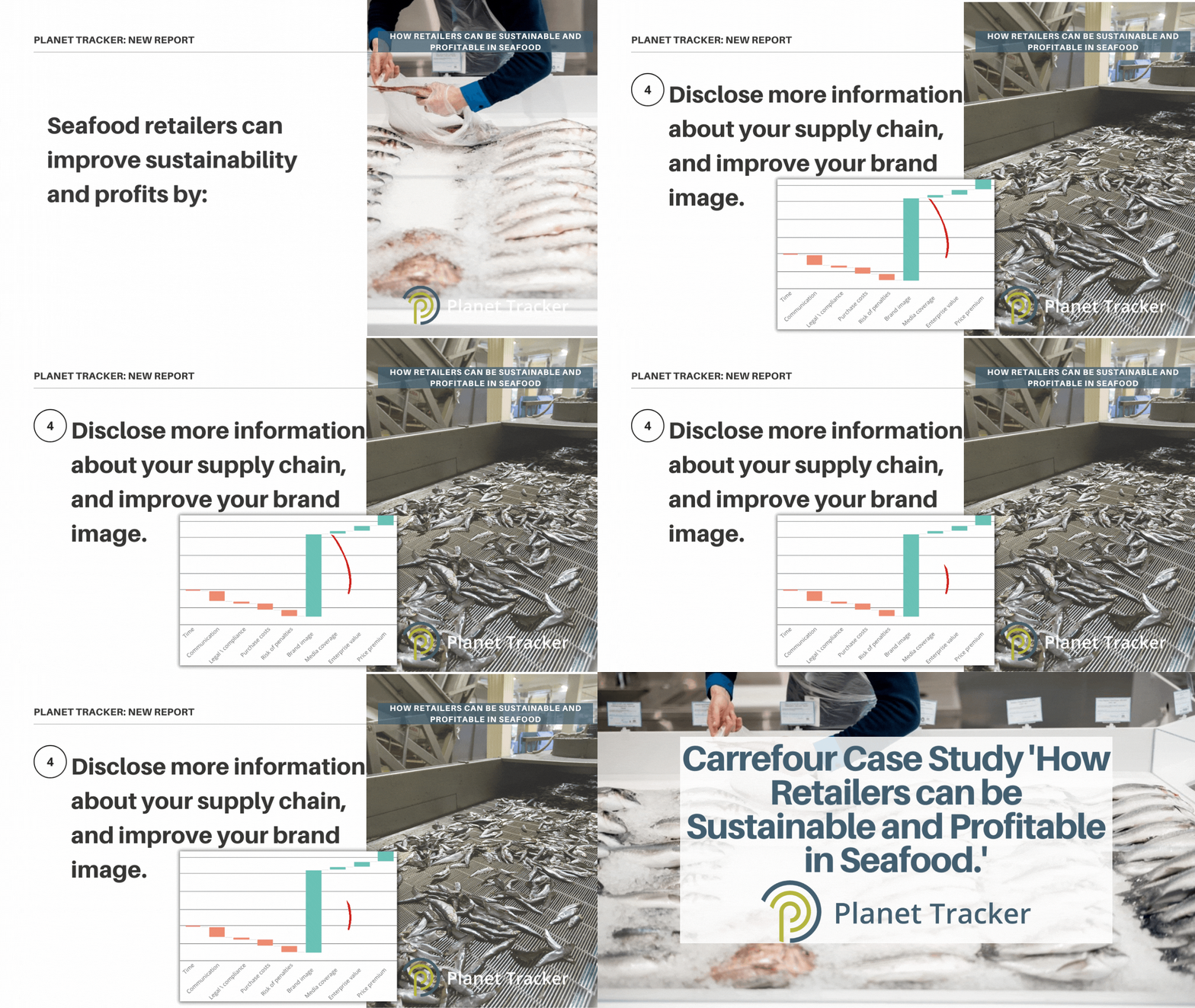
LONDON, 30 June 2022: Seafood retailers could have a huge positive impact on ocean ecosystems and improve their bottom line by sourcing more sustainable seafood, and being more transparent about their efforts to do so, finds Planet Tracker in its latest report, How retailers can be sustainable and profitable in seafood.
The report reveals how retailers can assess the sustainability of their seafood products using Planet Tracker’s Seafood Sustainability Protocol and establishes the link between sustainability and profitability. Findings are based on a case study of Carrefour, one of the ten largest food retailers in the world, with analysis of over four million non-publicly available datapoints on seafood purchases from its largest market, France.
Carrefour demonstrated positive performance or progress on 11 out of 13 key indicators. However, it was found to be generating some of its lowest seafood margins on the most overfished species, an encouraging lesson for all seafood retailers looking to improve sustainability. Planet Tracker also argued that increased seafood supply chain disclosure, rather than being a cost, could lead to a significant increase in profit for Carrefour.
François Mosnier, Head of Oceans Programme at Planet Tracker, comments: “Food retailers hold immense power when it comes to the sustainability of our oceans. Anyone buying and selling seafood can make a positive impact by channelling demand out of unsustainable farming and overexploited wild stocks into sustainable management and production. Besides being the right thing to do, it’s the business-smart thing to do. Our report found significant financial benefits to be gained from sustainable sourcing and enhanced disclosure.”
Commenting on Planet Tracker’s findings, Robert-Alexandre Poujade, ESG Analyst and Biodiversity Lead at BNP Paribas Asset Management, says: “Overfishing is a socio-environmental threat that the general public is aware of, but investors have not taken enough steps to understand their exposure to the issue. This project by Planet Tracker was born to rectify this. Most large investors like BNP Paribas Asset Management are exposed to the seafood value chain via downstream actors, such as retailers or catering and need to take measures to reduce their contribution to the problem and preserve marine biodiversity.”
The report calls on seafood retailers to:
- Determine what stage they are at in the seafood sustainability journey;
- Implement sustainable strategies to make progress on necessary areas;
- Improve the transparency of their seafood supply chains, including setting a time-bound target on full seafood traceability; and
- Track and report progress over time.
Investors and lenders should:
- Engage with the companies they fund on ways to align revenue, profit and cash flow growth strategies with ocean sustainability, including demanding:
- Greater seafood supply chain disclosure;
- A change in seafood sourcing towards more sustainable choice;
- Time-bound targets on seafood traceability;
- Discuss, design and structure financial tools that aim at improving ocean sustainability; and
- Support initiatives aimed at providing financial incentives to suppliers that implement traceability solutions.
Companies interested in assessing the sustainability of the seafood they buy and sell can do so via Planet Tracker’s interactive Seafood Sustainability Protocol.
–ENDS–
ABOUT PLANET TRACKER
Planet Tracker is an award-winning non-profit financial think tank aligning capital markets with planetary boundaries. Created with the vision of a financial system that is fully aligned with a net zero, resilient, nature positive and just economy well before 2050, Planet Tracker generates breakthrough analytics that reveal both the role of capital markets in the degradation of our ecosystem and show the opportunities of transitioning to a zero-carbon, nature positive economy.
ABOUT SEAFOOD TRACKER
Seafood Tracker investigates the impact that financial institutions can have on sustainable corporate practices through their funding of publicly listed wild-catch and aquaculture companies. Our aim is to align capital markets with the sustainable management of ocean and coastal marine resources.
Seafood Tracker is a part of the wider Planet Tracker Group of Initiatives.
Media contact
Ophelia Jeffrey
Aspectus Group
ophelia.jeffrey@aspectusgroup.com
+44 7584 657646