Investors at risk as top European food retailers fail to disclose food waste-based Scope 3 emissions, says Planet Tracker
New report reveals just one of the top 12 publicly listed food retail companies discloses food loss and waste-based emissions in its Scope 3 accounting
London, 23 April 2020. A lack of standardised reporting by food retail companies on their food loss and waste (FLW)-based Scope 3 emissions can mean lost earnings potential, significant underreporting of the sector’s greenhouse gas (GhG) emissions and prevents markets creating accurate Scope 3 emissions-related targets, says a new report by non-profit financial think tank Planet Tracker. Ultimately, according to the report, this leaves major investors including BlackRock, Vanguard Group and State Street Corporation exposed to environmental risk that they are unable to adequately measure.
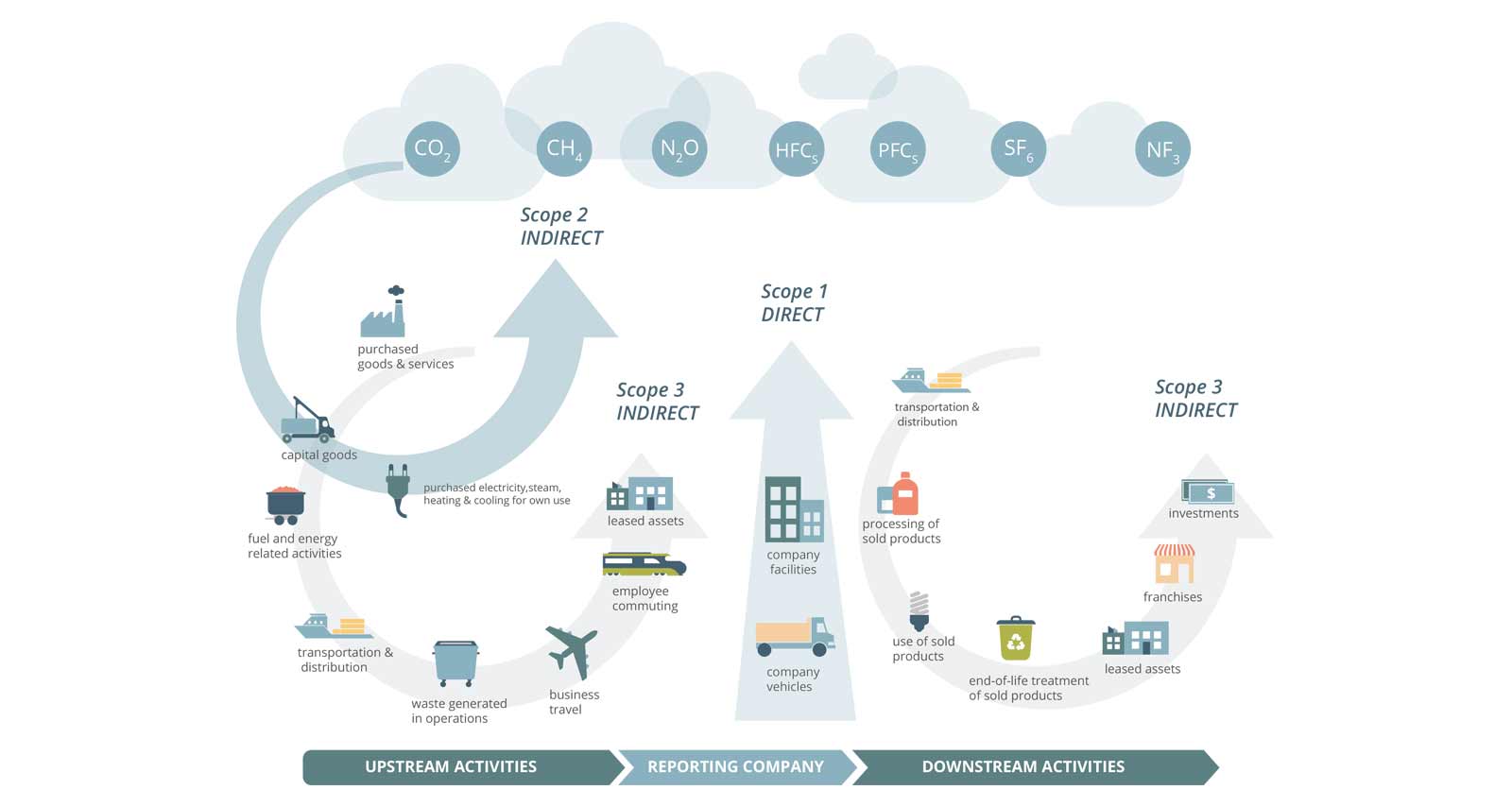
Scope 3 emissions result from the activities of the company from sources not owned or controlled by the company – such as the extraction and production of purchased materials, transportation of purchased fuels and use of sold products and services. Although often overlooked, such emissions represent a significant concern, accounting for an estimated 44% of total food waste emissions produced in Europe every year.
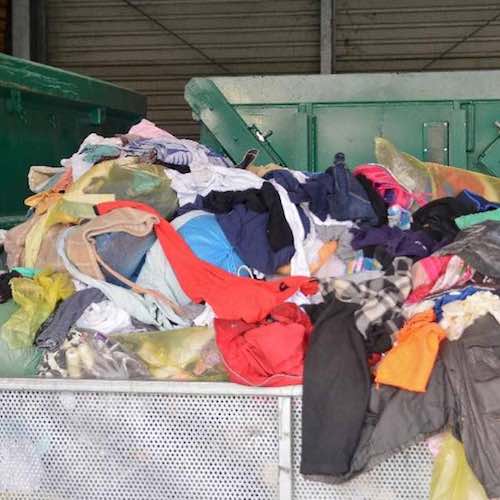
With between a quarter and a third of all food produced for human consumption wasted between field and fork, the total global economic cost of FLW stands at US$940 billion per annum, according to the United Nations Food and Agriculture Organisation. In Europe alone, the total associated annual costs of FLW is €143 billion. Despite the financial incentive for food retail companies to set FLW and related emission reduction targets, only seven of the 12 publicly-listed European food retailers provide any Scope 3 emissions reporting. Crucially, only one – Finland-based Kesko Corporation – includes FLW-based emissions in their Scope 3 accounting.
Matthew McLuckie, Director of Research, Planet Tracker, said: “For food retailers, FLW not only represents lost earnings potential and reduced operating profit margins, but also contributes towards their GhG footprint. What’s more, the lack of disclosure over these metrics means total FLW and associated Scope 3 emissions estimates are presumed to be significantly underreported.”
He continued: “Our research shows that the top 11 food retail companies and their investors are unable to correctly assess total generated emissions across their supply chains. This means investors are unable to undertake accurate emissions-based benchmarking, nor aggregate portfolio-based emissions exposure.”
Exacerbating the problem, the Greenhouse Gas Protocol and Food Loss & Waste Protocol, two market leading frameworks applied by companies in measuring emissions in the European food retail sector, do not currently include explicit guidance for calculating and disclosing FLW-based Scope 3 emissions.
Ultimately, neither companies or investors can manage risk that they do not measure, and investors and markets are unable to meaningfully set or measure Scope 3 emissions-related targets for the sector.
The report calls on action from:
- Food retailers to report on FLW by volume in their annual reports from 2021 onwards; commit to explicit FLW-based Scope 3 emissions accounting and reporting by 2022; aggregate FLW-based Scope 3 emissions into group and company level GhG accounting and report separately on specific FLW-related Scope 3 emissions by 2023; and set clear and transparent targets segregating Scope 1 and 2 net-emission reduction targets from Scope 3 commitments by 2023;
- Greenhouse gas reporting agencies & protocols to update assessment frameworks to include methodologies for accounting for FLW-based Scope 3 emissions in their protocols by 2022 to support uptake by food retailers;
- Food retail investors to request reported FLW data by volume; ask food retailers to transparently detail how they are accounting for and incorporating Scope 3 emissions into their net-zero emissions targets; and request clear and transparent FLW-related Scope 3 reduction targets;
- The European Commission to bring the Directive up to date by specifically including FLW-related Scope 3 emissions reporting in the food retail sector.
Though there is much work to be done, the report does point to some European food retailers responding positively to GhG reporting and commitments and becoming increasingly sophisticated and transparent in product lifecycle reporting assessments. The report commends publicly listed retailers including Carrefour, J Sainsbury and Tesco for their commitments to cut both emissions and FLW.