Biodiversity proposals – a rare species
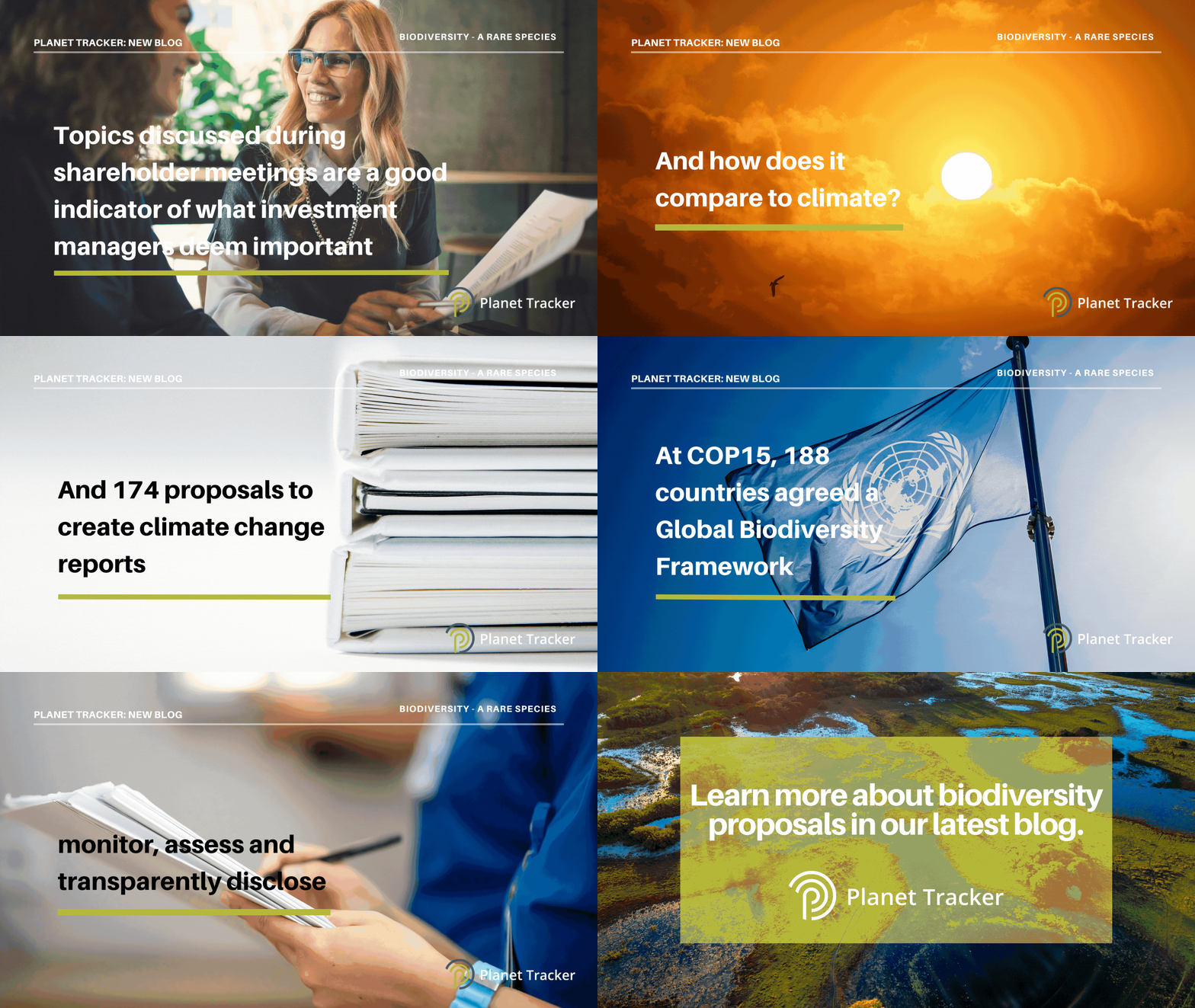
One indicator of the importance of a topic to investment managers is whether it features on the agenda at annual shareholder meetings. This is when shareholders have the opportunity to vote on issues either submitted by the management or themselves. So where does biodiversity rank? How does it compare with the climate agenda? An analysis by Planet Tracker shows biodiversity is rarely discussed but we are confident this will change.
Biodiversity reality check
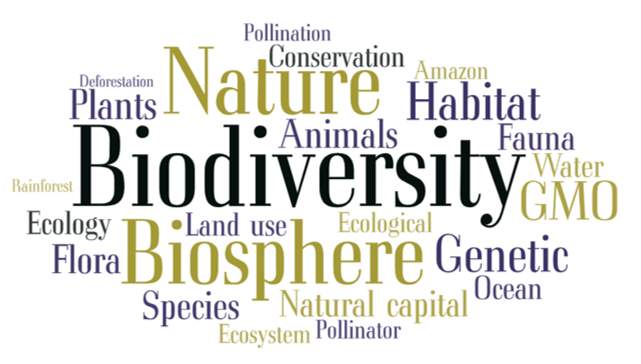
Since 2010, there have been only 37 proposals on issues related to biodiversity, equivalent to 3 per year. We have searched for proposals which include any of the words shown in Figure 1 and defined them as related to biodiversity. We recognise that we have spread the net widely to capture different facets of biodiversity.
Figure 1: Biodiversity-related terms
Source: Planet Tracker
Recognition of biodiversity and nature related issues is well behind climate change. In the last five years only (2018 to 2022 inclusive) there were 15 proposals which Planet Tracker classified as related to biodiversity, compared to 174 proposals to create a climate change report.
We have analysed data from the Proxy Insighti which records shareholder voting data globally. From our list of biodiversity terms, only the following words were identified within proposals: biodiversity, deforestation, genetic, GMO, ocean, pollinator and rainforest. By far the most popular reference term was deforestation, mentioned 19 times and accounting for 51% of all biodiversity related proposals, followed by genetic (9 times and 24% of the total). Biodiversity was referenced just once, last year, when it was referenced in a vote on climate issues at the annual meeting of Nexity (NXI:PZ), the French real estate company.
The attention on deforestation is interesting in that the shareholder resolutions are focused on two main sectors, consumer discretionary and consumer staples. Companies which faced deforestation votes included Bunge (BG:US), Domino’s Pizza (DPZ:US), DuPont (DD:US), Home Depot (HD:US), Kraft Foods (KRFT:US), Kroger (KR:US), Mondelez (MDLZ:US), Procter & Gamble (PG:US), Tyson (TSN:US), Yum! Brands (YUM:US). Also, Valero (VLO:US), the largest independent petroleum refiner and the world’s second largest renewable fuels producer, had a proposal submitted on rainforest impact.
Looking forward
Planet Tracker is confident that biodiversity proposals will increase. We have little doubt that biodiversity will rise up the corporate and engagement agenda, pushed by an agreement of 188 countries at COP15 United Nations Convention on Biological Diversity in Montréal, which agreed a Global Biodiversity Framework (GBF) at the end of 2022.ii Of particular note to corporates and financial institutions is the final point in the COP15 statement which states, ‘Require large and transnational companies and financial institutions to monitor, assess, and transparently disclose their risks, dependencies and impacts on biodiversity through their operations, supply and value chains and portfolios’ – see Figure 2.
Figure 2: Key targets from COP15 for 2030
- Effective conservation and management of at least 30% of the world’s lands, inland waters, coastal areas and oceans, with emphasis on areas of particular importance for biodiversity and ecosystem functioning and services. The GBF prioritizes ecologically-representative, well-connected and equitably-governed systems of protected areas and other effective area-based conservation, recognizing indigenous and traditional territories and practices. (Currently 17% and 10% of the world’s terrestrial and marine areas respectively are under protection.)
- Have restoration completed or underway on at least 30% of degraded terrestrial, inland waters, and coastal and marine ecosystems.
- Reduce to near zero the loss of areas of high biodiversity importance, including ecosystems of high ecological integrity.
- Cut global food waste in half and significantly reduce over consumption and waste generation.
- Reduce by half both excess nutrients and the overall risk posed by pesticides and highly hazardous chemicals.
- Progressively phase out or reform by 2030 subsidies that harm biodiversity by at least USD 500 billion per year, while scaling up positive incentives for biodiversity’s conservation and sustainable use.
- Mobilize by 2030 at least USD 200 billion per year in domestic and international biodiversity-related funding from all sources – public and private.
- Raise international financial flows from developed to developing countries, in particular least developed countries, small island developing States, and countries with economies in transition, to at least USD 20 billion per year by 2025, and to at least USD 30 billion per year by 2030.
- Prevent the introduction of priority invasive alien species, and reduce by at least half the introduction and establishment of other known or potential invasive alien species, and eradicate or control invasive alien species on islands and other priority sites.
- Require large and transnational companies and financial institutions to monitor, assess, and transparently disclose their risks, dependencies and impacts on biodiversity through their operations, supply and value chains and portfolios.
Source: Convention on Biological Diversity – official press release 19 December 2022.iii
Furthermore, a rise in shareholder proposals on deforestation looks inevitable following the European Council and European Parliament’s recent political agreement on a new regulation which will ban products linked to deforestation being sold within the EU.iv ClientEarth has described this law as ‘a new gold standard for protecting forests’.v
Corporates should prepare for a rise in biodiversity shareholder proposals as investors are going to require this information in the near future. Of course, management teams could take pre-emptive action and publish meaningful biodiversity reports prior to facing shareholder demands.
References
ii COP 15: Nations adopt four goals, 23 targets for 2030
iii CDB Press Release – 19 December 2022, Montréal
iv European Commission: EU agrees law to fight global deforestation and forest degradation